Showing posts with label bird. Show all posts

Feb 2, 2011

May 13, 2010

Venice Rookery


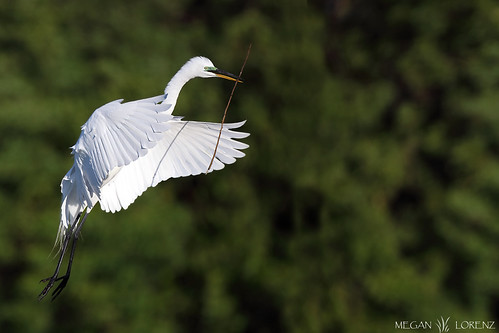
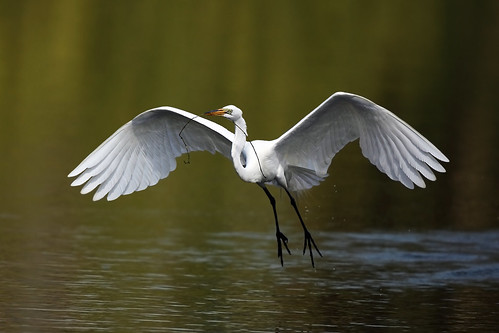
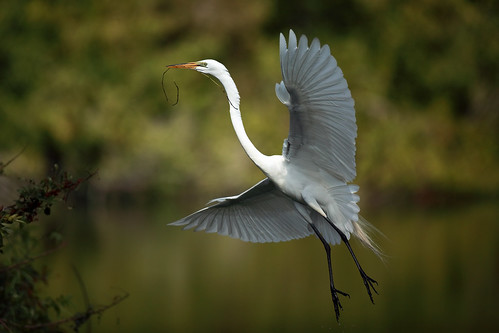
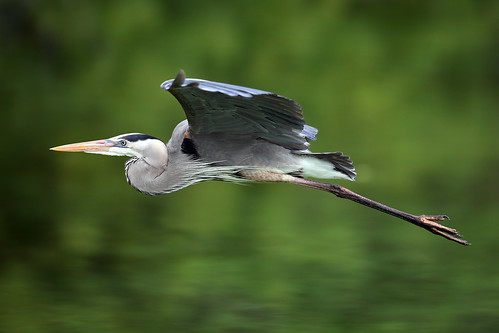
If you are ever in the Venice/Sarasota area in Florida especially from March-June...make sure you check out the Venice Rookery. Each year on my Florida trip I spend as many mornings there as possible watching a variety of waterbirds flying back and forth from their nests collecting nesting material.

Some of my favorites from this year:


Apr 21, 2010

Gatorland in Orlando, Florida

I had a fantastic time in Florida with some amazing sightings. Of course the Burrowing Owls were my first stop, but I also made time for visits to the Venice Rookery, Gatorland, Ding Darling, Punta Gorda, Cape Coral, Myakka, The Celery Fields, Venice Jetty, Hart's Landing, New Pass, and a local Bald Eagles nest. I also made time for lots of local beaches, meeting up with a few friends and of course time to enjoy the pool! Early mornings and late nights....once I was home I spent a week just recovering from my "vacation".
Florida has so much to offer....all the wild birds/animals in natural surroundings . I usually visit the Lowry Zoo when I'm in the area but just couldn't tear myself away from all the wildlife this year. I'm not becoming a "wild snob" since I still enjoy "controlled" shooting at some wonderful rehab places....but I'm just not into visiting zoo's lately. Actually the Controlled shooting at Mountsberg, MWC, JCW and Flight Workshops in Simcoe really helped give me the experience I needed to use "in the field".

Shooting At Gatorland:
When the rain started, most of the photographers left. I'm not talking about just a bit of rain, it was POURING. Enough rain to soak you within moments. The ones that did stay...kept dry under the shelter. I guess they were hoping it would stop. It didn't.

I was the only nut that kept shooting with a HUGE smile on my face. I love shooting in the rain...and I had Gatorland all to myself. So what if I had to empty the water out of my shoes? So what if I had to sit in the car for over an hour absolutely drenched? It wasn't my car ;)


Apr 13, 2010

The Burrowing Owls Of Cape Coral

What a busy year so far...one trip down and a few more to go. In March I spent a few weeks in Florida and the main objective was to find and photograph Burrowing Owls. I was not disappointed!


Burrowing Owls can be seen in many areas of Florida with the largest population occurring on the island of Cape Coral. As of February 2010, it was estimated that at least 1,100 of these owls inhabit the island and there are more than 2500 burrows. Exact numbers are difficult because couples may have more than one burrow.


I visited more than 50 different burrows, and often I put down the camera to just watch them and focus on their interesting behaviours.


Two of the burrows I visited were actually on someones front lawn. There were three owls at that site and they were very active. At one point one of them let out an awful scream and I looked up to see a cat slinking across the yard. Two of the owls flew off, landing on the homeowners roof and were standing on their extended legs and bobbing their heads. One female stayed at the entrance to her burrow and crouched down so she wouldn't be seen. The cat left in a hurry.


I spent my time in Cape Coral crawling along the ground and trying to get to the owls' eye level. Lots of fun considering they are only 8-9 inches tall!! I was told they eat fire ants. Wish the ones I'd been photographing were hungry because the ants were everywhere and I didn't watch where I was laying down ;)


To counter the owls' disappearing habitat, the Cape Coral Friends Of Wildlife (CCFW) recruit volunteers to build started burrows and maintain the burrows now in use. If grass grows too high around the burrows, it can obscure the owls' view of predators. So far the group has about 90 volunteers monitoring 400 burrows.


I had the pleasure of meeting Nelson who keeps a very close eye on his two burrows and was able to provide me with a lot of information on the owls and his observations. He has watched three pairs breed and raise their young over the years. Thanks Nelson...looking forward to my next trip, I'll be giving you a shout!!


Burrowing Owl Information:


The nesting season begins in late March or April in North America. Burrowing Owls are usually monogamous, but occasionally a male will have two mates. During the nesting season, they will collect a wide variety of materials to line their nest, some of which are left around the entrance to the burrow. The most common material is mammal dung, usually from cattle. At one time it was incorrectly thought that the dung helped to mask the scent of the juvenile owls, but researchers now believe the dung helps to control the microclimate inside the burrow and to attract insects, which the owls may eat.


The female will lay an egg every 1 or 2 days until she has completed a clutch, which can consist of 4-12 eggs (usually 9). She will then incubate the eggs for three to four weeks while the male brings her food. After the eggs hatch, both parents will feed the chicks. Four weeks after hatching, the chicks are able to make short flights and begin leaving the nest burrow. The parents will still help feed the chicks for 1 to 3 months. While most of the eggs will hatch, only four or five chicks usually survive to leave the nest.


Owls are very site specific, which means they are likely to return to the same territory year after year to raise their young. If the burrow is damaged by humans or natural causes, becomes too over grown, or if the owls are continuously harassed at their current location, they will often move to a nearby area to start a new nest.


Where the presence of Burrowing Owls conflicts with development interests, a passive relocation technique has been applied successfully. Rather than capturing the birds and transporting them to a new site (which may be stressful and prone to failure), the owls are half-coerced, half-enticed to move on their own accord. The preparations need to start several months prior to the anticipated disturbance while observing the owl colony and noting especially their local movements and site preferences.


After choosing a location nearby that has suitable ground and provides good Burrowing Owl breeding habitat, this new site is enhanced by adding burrows, perches, etc. Once the owls have accustomed to the changes and are found to be interested in the location they are prevented from entering the old burrows with a one-way trapdoor. This should only be attempted before breeding season starts. If everything has been correctly prepared, the owl colony will move over to the new site in the course of a few nights at most. It will need to be monitored carefully for the following months or until the major human construction nearby has ended.


This species is able to live for at least 9 years in the wild and over 10 years in captivity. They are often killed by vehicles when crossing roads, and have many natural enemies including coyotes,badgers and snakes. They are also killed by both feral and domestic cats and dogs.


Males and females are similar in size and appearance. Females tend to be a bit heavier, but males usually have longer linear measurements. Adult males appear lighter in color than females because they spend more time outside the burrow during daylight hours and their feathers become sun-bleached.


Burrowing Owls range from the southern portion of the western Canadian provinces through southern Mexico and western Central America. They are also found in many Caribbean Islands. In South America, they are patchy in the northwest and through the Andes, but widely distributed from southern Brazil to Patagonia and Tierra del Fuego. Burrowing Owls are year-round residents in most of their range. Birds that breed in Canada and the northern USA usually migrate south to Mexico and southern United States during winter months.


The Burrowing Owl is endangered in Canada, threatened in Mexico, and a species of special concern in Florida and most of the western USA. It is a state endangered species in Colorado. The major reasons for declining populations in North America are control programs for prairie dogs and loss of habitat. Burrowing Owls will readily inhabit some anthropogenic landscapes such as airport grasslands or golf courses. Genetic analysis of the two North American subspecies indicates that inbreeding is not a problem within those populations.

Feb 17, 2010

Nature's Best Photography Feature

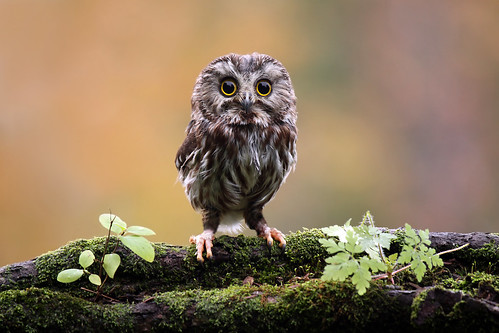
A big thank you to Charles Freligh from Nature's Best Photography for asking me to do a feature on Saw-Whet Owls for their "Photographers In The Field".


I've been doing lots of Owl Photography this season, and it's something that I'm very passionate about. There's been alot of talk lately about the welfare of Owls in our area and I think the first step in protecting them....is to educate people on the challenges they face and how they can help minimize human interference. Each type of Owl faces different challenges.
A large number of Saw-Whets won't survive their first winter for various reasons: lack of food, weather,human disturbance and predators. To help increase their odds, keep in mind the following:
  • They need to conserve their energy during the day.

  • If you find one...make as little noise as possible. Let them sleep.

  • Owl "hotspots" are visited by lots of people every day. Limit your time with the Owls.

  • More than a few people observing an Owl at one time could adversely affect the Owl.

  • Don't break branches. This disturbs them and makes them more vunerable to predators.

  • Find a good spot to shoot from and don't move around.

  • If you accidentally disturb an Owl and flush it from it's roosting tree...do not try and follow it.

  • When threatened, they elongate their body in order to appear like a tree branch, often bringing one wing around to the front of their body.

  • Leave if you see those signs and behaviour.

  • Don't use a flash when it's getting dark. This causes temporary night-blindness and will make them vunerable to predators.

  • Consider finding a Raptor Rehab Centre to photograph Saw-Whets. The birds they use in their photo sessions are habituated to humans which reduces the stress on the birds and allows you to photograph them for longer.

Oct 18, 2009

Oct 17, 2009

Fotosource Contest

Fotosource 2009 Photography Contest

Third Place Winner

Nature/Wildlife Category
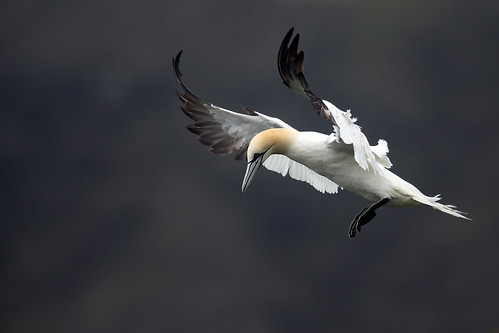


Another good example of doing whatever it takes to get the shot. This was taken on a recent trip to Cape St. Mary's in Newfoundland. We lugged who knows how many pounds of gear 1.4 km to "Bird Rock" along a rocky path. Then spend all day there getting covered in bird crap. It was all over us. All over the camera gear. In our eyes, in our mouths.....everywhere! And yet, it was one of the most memorable experiences I've ever had.
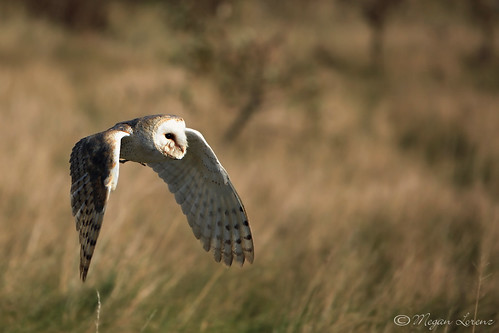
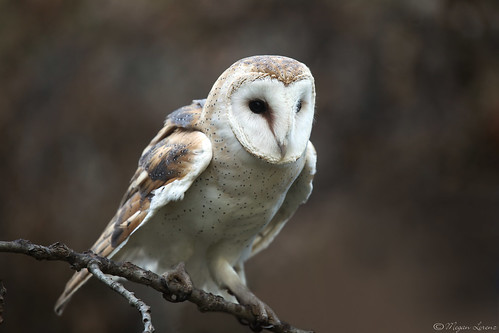
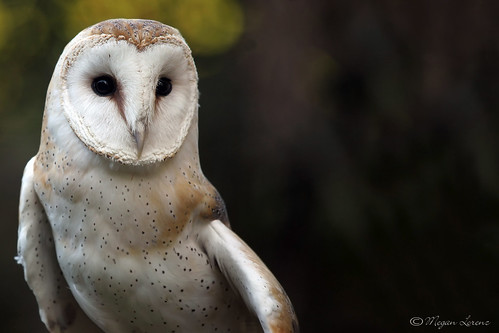
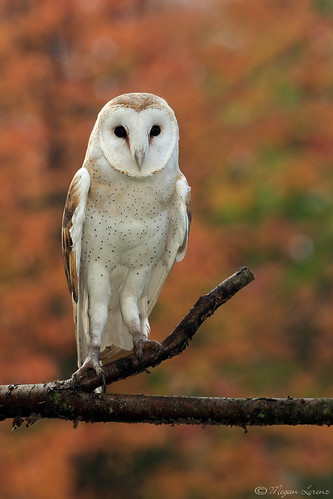
Barn Owl


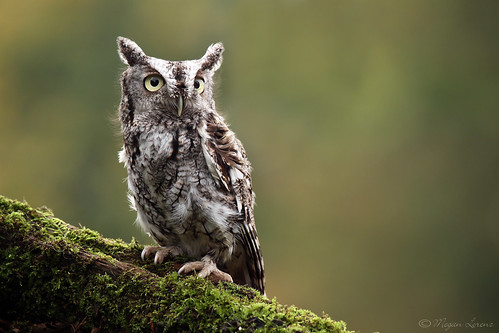
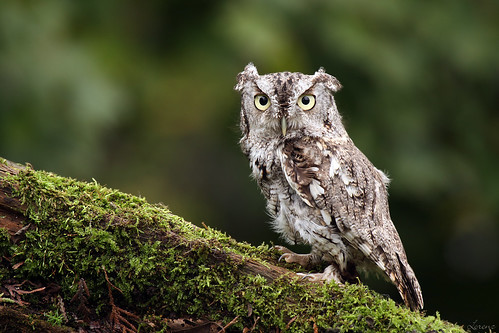
Eastern Screech-Owl

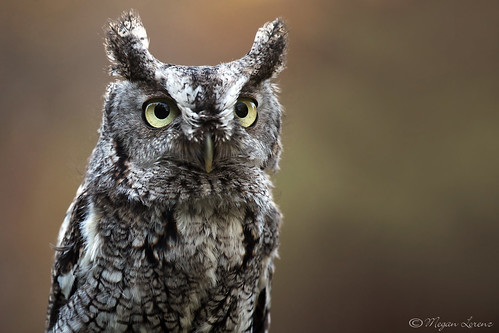
Another one of my favorites....the Eastern Screech-Owl. The sounds they make are just amazing.


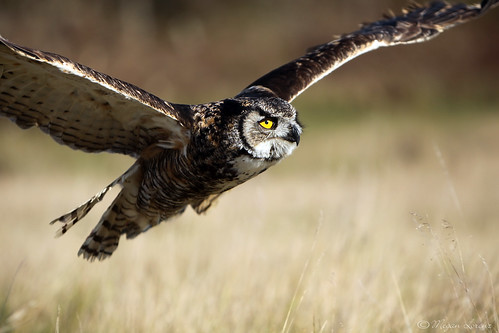
I've been concentrating lately on obtaining more natural backgrounds and better background blur. I've found that so many nature/wildlife photographers (including myself) get so excited about the moment and forget to move around. This is especially fun when you are working around water....I'll do whatever it takes to get the shot, even if that means getting soaked or laying in mud.